Influencer advertising partnerships have revolutionized the way brands connect with consumers in today’s digital landscape. By leveraging the reach and authenticity of influencers, brands can enhance their visibility and engagement significantly. This dynamic collaboration not only creates a buzz around products but also fosters genuine connections with target audiences, leading to increased brand loyalty and sales.
In an era where traditional marketing often falls short, influencer partnerships offer a fresh approach that resonates with consumers. Through carefully structured collaborations, brands can tap into the creative potential of influencers, transforming marketing strategies into engaging narratives that captivate audiences and inspire action.
Understanding Influencer Advertising Partnerships
Influencer advertising partnerships represent a transformative approach in the realm of marketing, where brands collaborate with individuals who have established credibility and a substantial following on social media platforms. These partnerships have become particularly significant in the digital age, as they leverage the trust and engagement influencers have cultivated with their audiences. Influencer advertising partnerships are a strategic alignment between brands and influencers to promote products or services in a manner that feels organic and authentic to the influencer’s audience.
This strategy is vital for brands looking to enhance their visibility and create meaningful connections with potential customers. By tapping into the influencer’s reach, brands can effectively convey their message to a targeted demographic that may otherwise be challenging to engage through traditional advertising channels.
Benefits of Collaborating with Influencers
Collaborating with influencers can yield numerous advantages for brands, enhancing visibility and driving engagement. Here are some key benefits of such partnerships:
- Enhanced Brand Credibility: Influencers are often viewed as experts within their niches, which can significantly boost the credibility of a brand when they endorse a product or service.
- Targeted Reach: Influencers have specific audiences, allowing brands to reach potential customers who are already interested in their niche, leading to higher conversion rates.
- Increased Engagement: Content created in collaboration with influencers often garners higher levels of engagement compared to traditional advertisements, as it feels more personalized and authentic to the audience.
- Cost-Effective Marketing: Compared to traditional advertising methods, influencer partnerships can be more budget-friendly, especially with micro-influencers who often have highly engaged followers.
Statistical insights highlight the effectiveness of influencer partnerships in driving sales and fostering brand loyalty. According to recent studies, 49% of consumers depend on influencer recommendations to inform their purchasing decisions. Additionally, brands that collaborate with influencers report earning an average of $5.78 for every dollar spent on influencer marketing. These statistics underscore the substantial ROI that can be achieved through strategic influencer partnerships, making them a vital component of contemporary marketing strategies.
Building Successful Influencer Partnerships
Establishing fruitful influencer partnerships is essential for brands seeking to connect with their target audience authentically. This involves a strategic approach to identifying and engaging influencers who not only align with the brand’s values but also resonate with the intended audience. Below are the critical steps and considerations for crafting successful influencer collaborations.
Identifying the Right Influencer
Choosing the right influencer requires careful consideration of multiple factors to ensure they effectively reach the desired demographic. The following steps Artikel this process:
1. Define Target Audience
Understand your target audience by considering demographics, interests, and behaviors. This helps in identifying influencers who already engage with similar audiences.
2. Research Influencer Niches
Explore various niches relevant to your brand. This includes analyzing content themes, engagement levels, and audience size to find potential matches.
3. Evaluate Engagement Rates
Look beyond follower counts. Higher engagement rates (likes, comments, shares) often indicate a more active and invested audience. Use tools to analyze these metrics quantitatively.
4. Assess Brand Alignment
Review the influencer’s previous collaborations and overall brand message. Ensure their values align with your brand to maintain authenticity in the partnership.
5. Check Authenticity
Investigate the influencer’s credibility by looking for signs of genuine interaction and avoiding influencers with suspiciously high follower counts or engagement.
Structuring Partnership Agreements
Creating a clear and detailed partnership agreement is crucial for preventing misunderstandings and ensuring both parties understand their obligations. Key components of a partnership agreement should include:
Deliverables
Define specific deliverables such as the number of posts, type of content (e.g., video, blog, stories), and timelines for delivery. This clarity ensures both parties are aligned on expectations.
Compensation
Clearly Artikel the compensation structure, whether it’s monetary, product exchanges, or commissions based on sales generated from the partnership. Indicate payment terms and methods.
Usage Rights
Specify how the brand can use the content created by the influencer. This may include social media promotion, website usage, or advertising.
Performance Metrics
Establish key performance indicators (KPIs) for measuring the success of the partnership. This can include metrics like engagement rates, click-through rates, and conversion rates.
Termination Clauses
Include terms regarding the conditions under which either party may terminate the agreement to protect both sides in case of unmet expectations.
Maintaining Long-Term Relationships with Influencers
Building lasting relationships with influencers can lead to ongoing collaborations and brand loyalty. Here are some best practices:
Consistent Communication
Regularly check in with influencers to discuss campaign performance and gather feedback. This fosters a collaborative environment and shows that their input is valued.
Provide Creative Freedom
Allow influencers the freedom to express themselves in their own style. This results in authentic content that resonates better with their audience.
Acknowledge Contributions
Recognize the influencer’s efforts by providing feedback and celebrating successful campaigns. Publicly acknowledging their work can strengthen the partnership.
Involve Influencers in Campaign Development
Engage influencers early in the campaign process. Their insights can enhance the strategy and lead to more impactful content.
Invest in the Relationship
Consider long-term partnerships rather than one-off projects. Investing in influencers can lead to a more genuine representation of your brand and a deeper connection with their audience.
“Influencer partnerships flourish on trust, authenticity, and mutual benefit, creating win-win scenarios for both brands and influencers.”
Measuring the Impact of Influencer Advertising
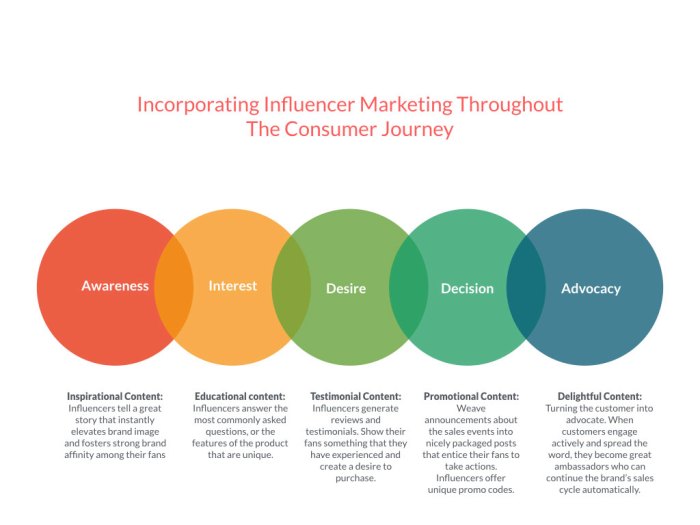
Influencer advertising is more than just a trend; it’s a crucial part of digital marketing strategies for many brands. Understanding how to measure the impact of these partnerships is essential for optimizing campaigns and demonstrating ROI. With various tools and metrics available, marketers can effectively assess the performance of influencer campaigns.Measuring the effectiveness of influencer advertising involves tracking several key metrics that provide insights into campaign performance.
Here are some vital metrics to consider:
Key Metrics for Tracking Performance
Analyzing the success of influencer campaigns requires a comprehensive look at several important metrics. These indicators can significantly influence future marketing strategies.
- Engagement Rate: This metric measures the level of interaction (likes, comments, shares) on content created by influencers. A higher engagement rate often indicates that the content resonates well with the audience.
- Reach and Impressions: Reach refers to the number of unique users who see the content, while impressions represent the total number of times the content is displayed. Tracking these figures helps brands understand the potential audience size.
- Click-Through Rate (CTR): This metric evaluates how many users click on a link provided by the influencer, leading to the brand’s website or product page. High CTR indicates effective calls to action.
- Conversion Rate: Measuring how many users take desired actions (purchases, sign-ups) after interacting with influencer content provides a direct correlation to revenue.
- Follower Growth: The increase in a brand’s social media followers post-campaign can reflect the campaign’s effectiveness in attracting new audiences.
Tools and Technologies for Measuring ROI
Various tools and technologies are available that assist brands in analyzing the ROI of their influencer advertising efforts. These tools facilitate data collection and analysis, making it easier to derive actionable insights.An effective method for measuring ROI begins with leveraging advanced analytics platforms. Some notable tools include:
- Google Analytics: This free tool tracks website traffic, providing insights into user behavior after clicking through from influencer posts.
- Hootsuite: This social media management platform offers detailed analytics for engagement and reach across different channels.
- Sprout Social: Sprout Social provides in-depth social media analytics and reporting, helping brands understand audience engagement and content performance.
- Influencity: This tool specializes in influencer marketing analytics, offering metrics on influencer performance, audience demographics, and campaign ROI.
- Affiliate Marketing Platforms: Tools like ShareASale or Rakuten allow brands to track sales from influencers effectively by providing unique links or discount codes to their followers.
Case Studies of Successful Influencer Partnerships
Analyzing successful influencer partnerships provides valuable insights into effective campaign strategies and measurable outcomes. Here are a few notable examples:
In 2020, Daniel Wellington partnered with a range of micro-influencers across social media platforms, resulting in a 30% increase in sales and a significant growth in brand visibility.
Their strategy of leveraging numerous influencers allowed the brand to reach diverse audiences, leading to enhanced engagement and conversion rates.
Fabletics, co-founded by Kate Hudson, implemented a comprehensive influencer campaign that utilized high-profile fitness influencers. This strategy led to a 20% increase in membership sign-ups within the first month.
The partnership showcased the effectiveness of aligning brand values with the right influencer audience, driving significant traffic and engagement.These case studies demonstrate that when executed thoughtfully, influencer partnerships can lead to substantial business growth and brand loyalty, emphasizing the importance of measuring their impact.
Conclusive Thoughts
In conclusion, influencer advertising partnerships are not just a trend; they are a vital strategy for brands aiming to thrive in a competitive market. By understanding the nuances of building and maintaining these partnerships, brands can measure their impact effectively and reap the rewards of enhanced visibility and consumer trust. Embracing this approach opens up new avenues for growth, ensuring that brands remain relevant and resonant in the ever-evolving marketplace.
Detailed FAQs
What are influencer advertising partnerships?
They are collaborations between brands and social media influencers to promote products or services to a wider audience.
How can brands identify the right influencer?
Brands should analyze the influencer’s audience demographics, engagement rates, and content alignment with their brand values.
What are the key metrics for measuring campaign success?
Important metrics include reach, engagement rates, conversion rates, and return on investment (ROI).
How do brands ensure long-term partnerships with influencers?
Maintaining clear communication, providing fair compensation, and recognizing the influencer’s creativity and contributions are essential for fostering long-term relationships.
What tools can brands use to track campaign performance?
Brands can use analytics tools like Google Analytics, social media insights, and dedicated influencer marketing platforms to monitor campaign performance effectively.