Brand reputation management tools play a crucial role in today’s digital marketplace, where a single review can sway public perception. As consumers increasingly rely on online feedback, managing your brand’s image has become essential for maintaining trust and loyalty. This narrative delves into how these tools can transform challenges into opportunities, enabling businesses to not only protect but also enhance their reputations.
In this discussion, we will explore the various types of reputation management tools available, their significance in influencing consumer behavior, and effective strategies for implementing a robust reputation management strategy. Whether you’re a small business or a large corporation, understanding these facets can empower you to navigate the complex world of brand perception with confidence.
Importance of Brand Reputation Management Tools
In today’s digital marketplace, the significance of brand reputation cannot be overstated. With a wealth of information available at consumers’ fingertips, the perception of a brand can shift rapidly based on online interactions, reviews, and social media commentary. Consequently, managing this perception has become paramount for businesses aiming to thrive and maintain competitive advantages.Brand reputation plays a crucial role in shaping consumer behavior and impacting overall business performance.
When consumers perceive a brand positively, they are more likely to engage, purchase, and advocate for it. According to studies, approximately 70% of consumers base their purchasing decisions on brand reputation, demonstrating a clear connection between reputation and revenue. Conversely, negative sentiments can lead to diminished customer loyalty and significant financial losses. For instance, a single negative review on platforms like Yelp or Google can deter potential customers, affecting a brand’s bottom line drastically.
Scenarios for Reputation Management Tools
In various situations, reputation management tools can effectively mitigate damage to a brand’s image and help restore consumer trust. These tools serve as proactive measures to address potential crises before they escalate. Below are key scenarios where such tools become invaluable:
- Handling Negative Reviews: Rapid responses to negative feedback can turn a dissatisfied customer into a loyal supporter. Tools that alert brands to new reviews allow for timely interventions that can rectify the situation.
- Crisis Management: In times of public relations crises, whether they stem from product recalls or public gaffes, reputation management tools help brands monitor the conversation and provide timely communication to stakeholders.
- Social Media Monitoring: Brands must be aware of the conversations happening across various social channels. Tools that track brand mentions enable companies to engage with consumers, address complaints, and promote positive content.
- Competitor Analysis: By assessing competitor reputations, brands can identify gaps in their own strategy and learn from others’ successes or failures. This insight allows for informed decision-making and positioning.
“A brand’s reputation is an asset that can take years to build but only moments to destroy.”
Utilizing these tools effectively enhances a brand’s ability to navigate challenges, ensuring a more favorable position in the marketplace. By implementing robust reputation management strategies, brands can safeguard their image and foster long-term customer loyalty.
Types of Brand Reputation Management Tools
Brand reputation management tools are essential for businesses aiming to maintain a positive image in the eyes of their customers and stakeholders. These tools help organizations to monitor their online presence and respond effectively to both positive and negative sentiments. Understanding the different types of tools available can greatly enhance a brand’s strategy for managing its reputation.There are several categories of brand reputation management tools, each serving unique functions that contribute to a comprehensive approach.
These include monitoring tools, analytics tools, response tools, and review management platforms. Below are detailed insights into these types of tools and some popular platforms within each category.
Monitoring Tools
Monitoring tools are designed to track brand mentions across various platforms, including social media, news articles, blogs, and forums. They provide real-time alerts on what is being said about a brand and help organizations keep a pulse on public sentiment. Some examples of popular monitoring tools include:
- Brandwatch: Offers advanced social media monitoring features that analyze sentiment and engagement.
- Google Alerts: A free tool that sends notifications about your brand mentions in news articles.
- Hootsuite: Primarily a social media management tool, it also includes monitoring capabilities for mentions and s.
Analytics Tools
Analytics tools are crucial for interpreting the data collected from monitoring efforts. These tools provide insights into trends, audience engagement, and sentiment analysis, enabling brands to make data-driven decisions.Some noteworthy analytics tools include:
- Sentiment Analyzer: Provides detailed sentiment analysis of customer feedback and social media mentions.
- NetBase: Delivers comprehensive market intelligence by analyzing social media conversations and consumer behavior.
- Sprout Social: Combines social media management with robust analytics to track performance and engagement metrics.
Response Tools
Response tools assist brands in managing their online reputation by facilitating timely responses to customer feedback and comments. These tools often integrate with social media platforms and review sites to streamline communication.Popular response tools include:
- Reputation.com: Provides tools for managing online reviews and responding to customer feedback in one dashboard.
- Zendesk: A customer service platform that allows brands to respond to inquiries and manage tickets effectively.
- Yext: Helps brands manage their online presence and respond to reviews and questions across multiple directories.
Review Management Platforms
Review management platforms focus specifically on gathering, monitoring, and responding to customer reviews. These tools help brands enhance their online reputation by encouraging positive reviews and addressing negative feedback.Examples of review management platforms include:
- Trustpilot: Enables businesses to collect and display customer reviews, fostering trust and transparency.
- Podium: Facilitates the collection of reviews through various channels, including SMS and email.
- Birdeye: Offers a comprehensive suite for managing customer feedback and online reputation across different platforms.
Comparison of Brand Reputation Management Tools
To further assist in understanding the capabilities of various tools, a comparison table highlights their benefits and drawbacks.
| Tool | Benefits | Drawbacks |
|---|---|---|
| Brandwatch | In-depth analytics, customizable reports | Higher cost, steep learning curve |
| Google Alerts | Free, easy to set up | Limited to news; lacks in-depth analytics |
| Sentiment Analyzer | Detailed sentiment analysis | May require integration with other tools |
| Trustpilot | Builds trust with verified reviews | Can be challenging to manage negative feedback |
Strategies for Effective Brand Reputation Management
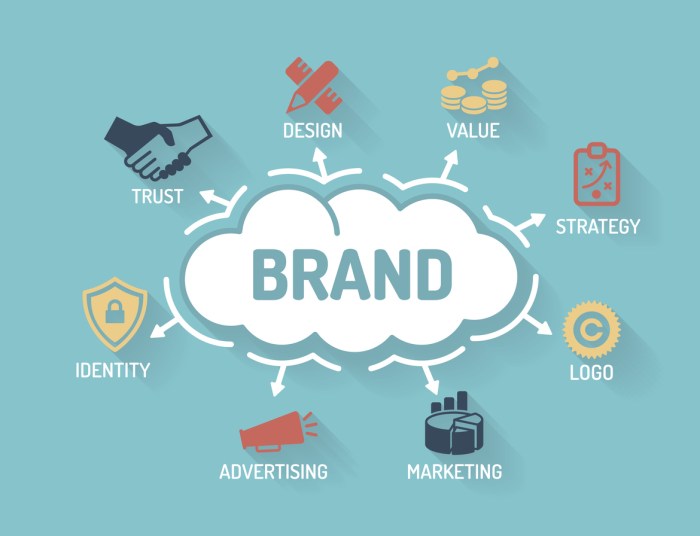
In today’s digital age, managing a brand’s reputation has become more crucial than ever. A positive brand reputation can lead to increased customer loyalty, higher sales, and a robust market presence. Conversely, negative perceptions can severely impact a company’s success. Therefore, implementing effective strategies for brand reputation management is vital for any organization.One of the most effective ways to manage brand reputation is by having a clear strategy in place.
This involves understanding your audience, establishing a consistent message, and monitoring feedback. The following steps Artikel a comprehensive guide to implementing a brand reputation management strategy.
Step-by-Step Guide for Implementing a Brand Reputation Management Strategy
A structured approach ensures that the brand reputation management process is thorough and effective. Here are the essential steps:
- Assess Current Reputation: Conduct a brand audit to understand the current perception of your brand in the market. This can be done through surveys, social media listening tools, and online reviews.
- Define Your Brand Values: Clearly articulate what your brand stands for. Ensure that these values resonate with your target audience and are reflected in all communications.
- Artikel Your Goals: Determine what you want to achieve with your reputation management strategy. This could include improving customer satisfaction scores or increasing positive media coverage.
- Develop a Communication Plan: Create a strategy for how you will communicate with your audience, including guidelines for responding to both positive and negative feedback.
- Engage with Customers: Foster a two-way dialogue with customers through social media, email newsletters, and community events to build a strong relationship.
- Monitor and Adjust: Continuously monitor your brand’s reputation using tools such as Google Alerts, social media analytics, and review platforms. Be ready to adjust your strategy based on feedback and changing market conditions.
Building a Positive Brand Image Through Customer Engagement
Proactive engagement with customers is essential for cultivating a positive brand image. When customers feel valued and heard, they are more likely to develop loyalty and share their positive experiences with others. Here are some effective methods for building this engagement:
Engagement leads to trust; trust leads to loyalty.
To enhance customer engagement, consider these methods:
- Personalized Communication: Tailor messages and offers based on customer preferences and behaviors to create a more personalized experience.
- Feedback Mechanisms: Implement systems for customers to provide feedback easily. Acknowledging their input demonstrates that their opinions matter.
- Community Involvement: Participate in local events or sponsor community initiatives. This not only fosters goodwill but also connects your brand with the community.
- Social Media Interaction: Actively engage with customers on social media platforms by responding to comments and messages promptly, sharing user-generated content, and hosting live Q&A sessions.
Responding to Negative Feedback as an Opportunity
Negative feedback, while challenging, can offer valuable insights and opportunities for improvement. The key lies in how brands respond to criticism. Effective response strategies include:
Turning negativity into a positive opportunity can enhance trust and loyalty.
Implement the following procedures when addressing negative feedback:
- Timely Response: Address negative comments or reviews promptly. A quick response shows that you value customer opinions and are committed to resolving issues.
- Empathetic Approach: Respond with empathy and understanding. Acknowledge the customer’s feelings and express a desire to resolve the issue.
- Offer Solutions: Provide clear steps to rectify the problem or make amends. This may involve refunds, discounts, or direct communication to resolve the customer’s concern.
- Learn and Adapt: Use negative feedback as a learning opportunity. Analyze recurring issues and implement changes to prevent similar problems in the future.
Concluding Remarks
In conclusion, the journey through brand reputation management tools reveals their indispensable value in shaping business outcomes. By leveraging the right tools and strategies, companies can proactively foster a positive image, respond effectively to negative feedback, and ultimately drive greater consumer engagement. Remember, a well-managed reputation not only protects your brand but also paves the way for future success.
Key Questions Answered
What are brand reputation management tools?
Brand reputation management tools are software and platforms designed to monitor, analyze, and improve how a brand is perceived online.
Why is brand reputation important?
Brand reputation is vital because it influences consumer trust and purchasing decisions, directly impacting a business’s bottom line.
How can negative reviews be handled effectively?
Negative reviews can be handled by responding promptly and professionally, offering solutions, and using them as feedback for improvement.
What types of tools are available for reputation management?
There are various tools available, including monitoring tools, analytics platforms, and response management systems that help businesses track and improve their reputation.
How often should reputation management be conducted?
Reputation management should be an ongoing process, with regular monitoring and updates to strategies based on consumer feedback and market changes.